“For as long as I have been painting, all my work has been a direct translation of myself. Even when I am fighting myself to paint anything else, even my most abstract work ends up depicting a part of me—often one I am unconsciously avoiding. I find relief in my ability to communicate non-verbally through my art”
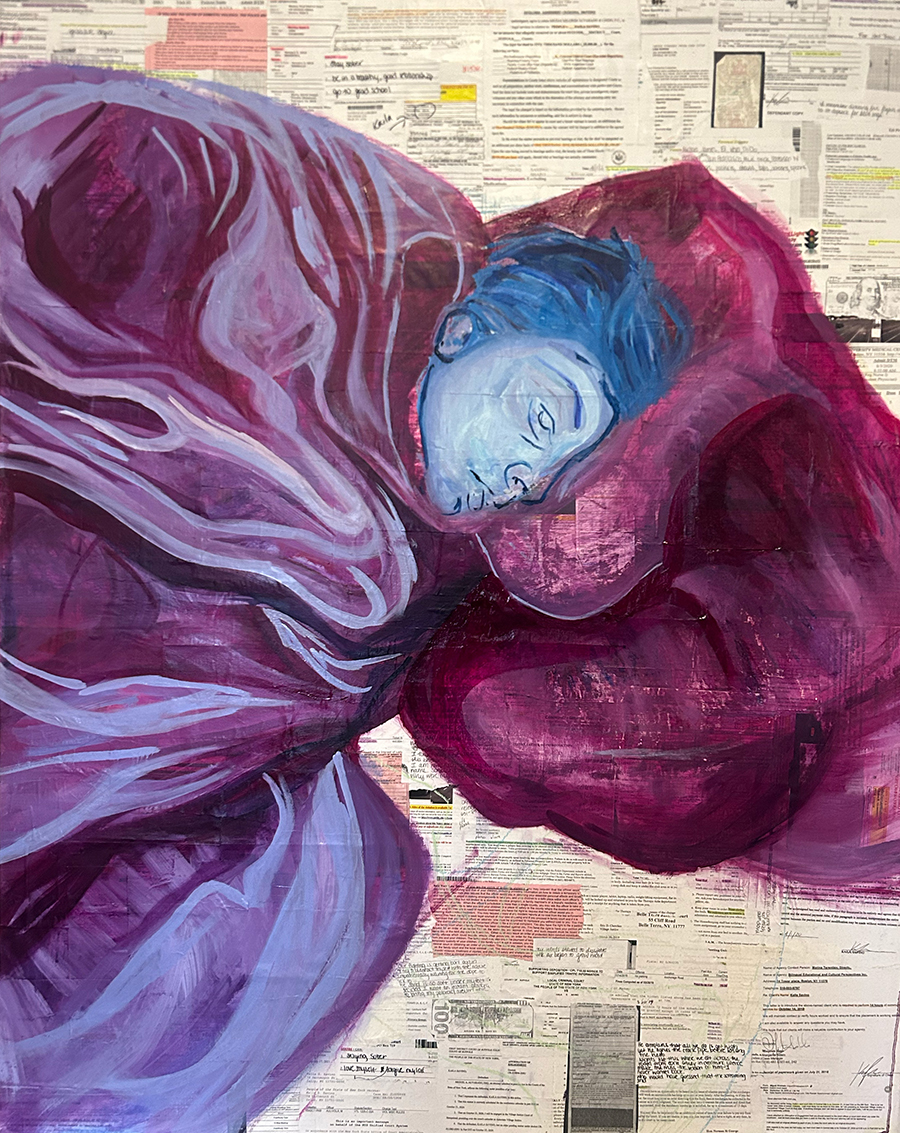
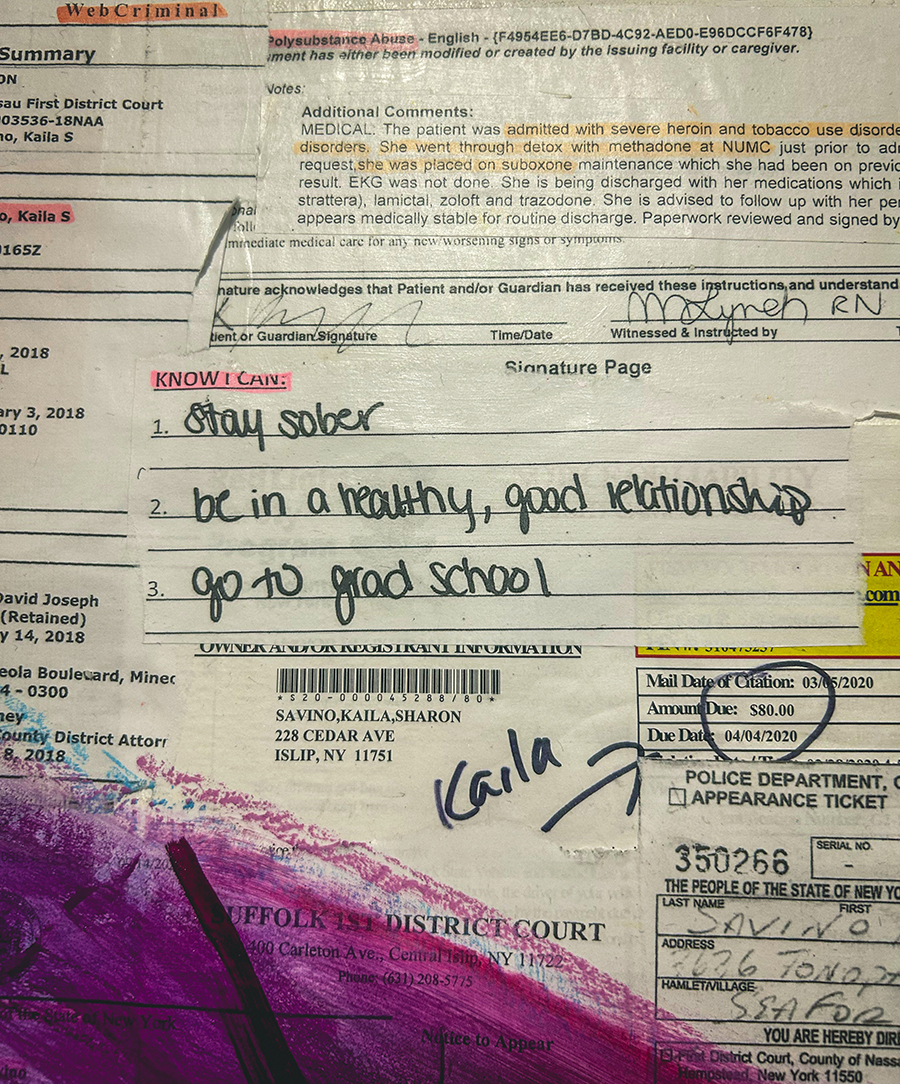
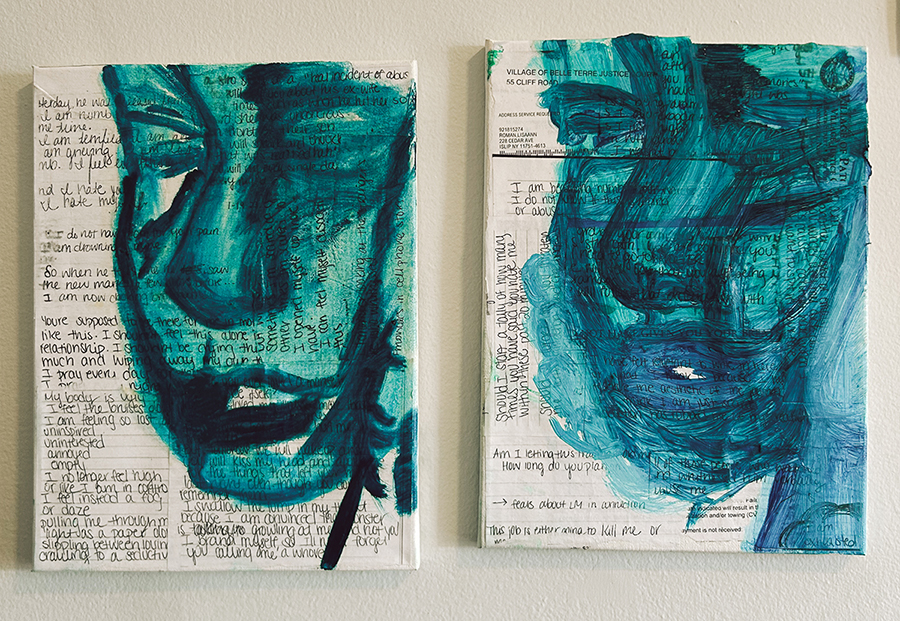
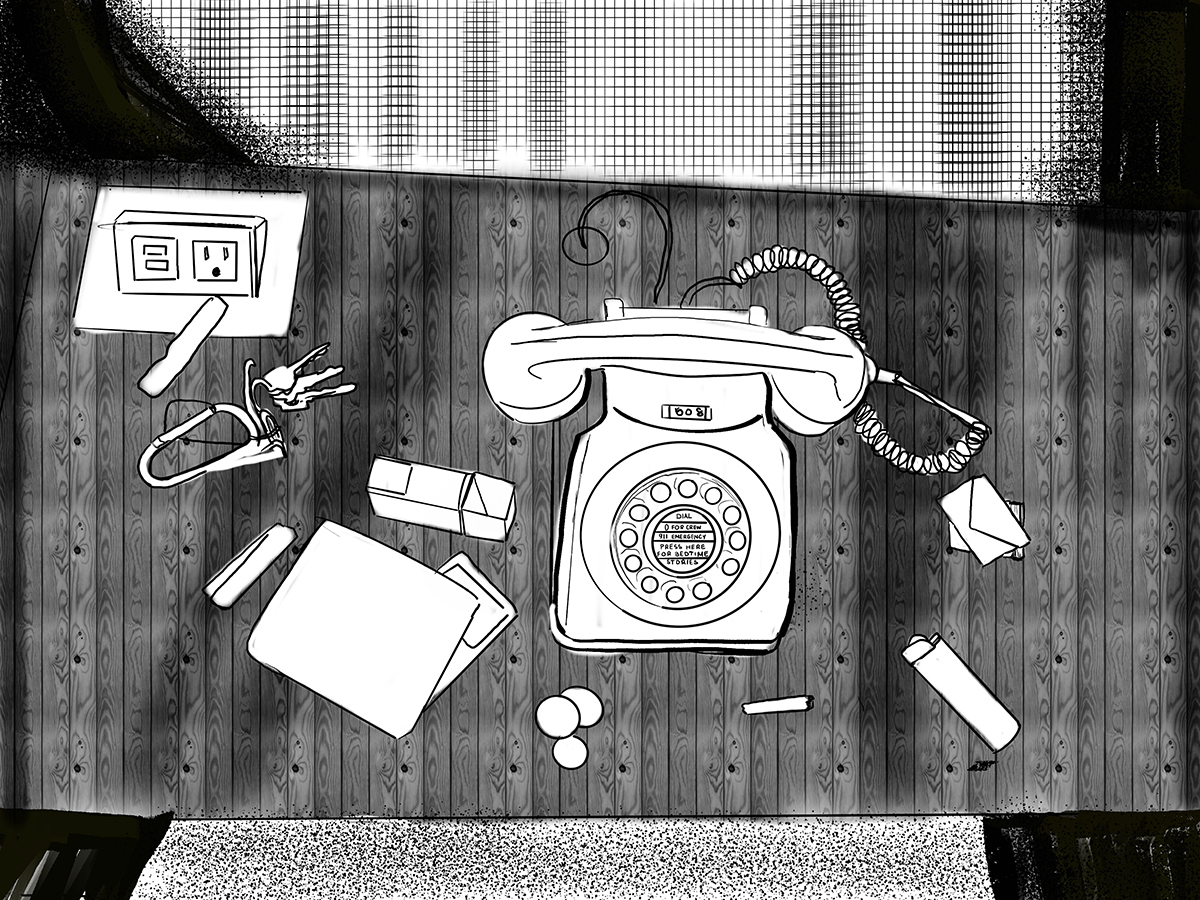
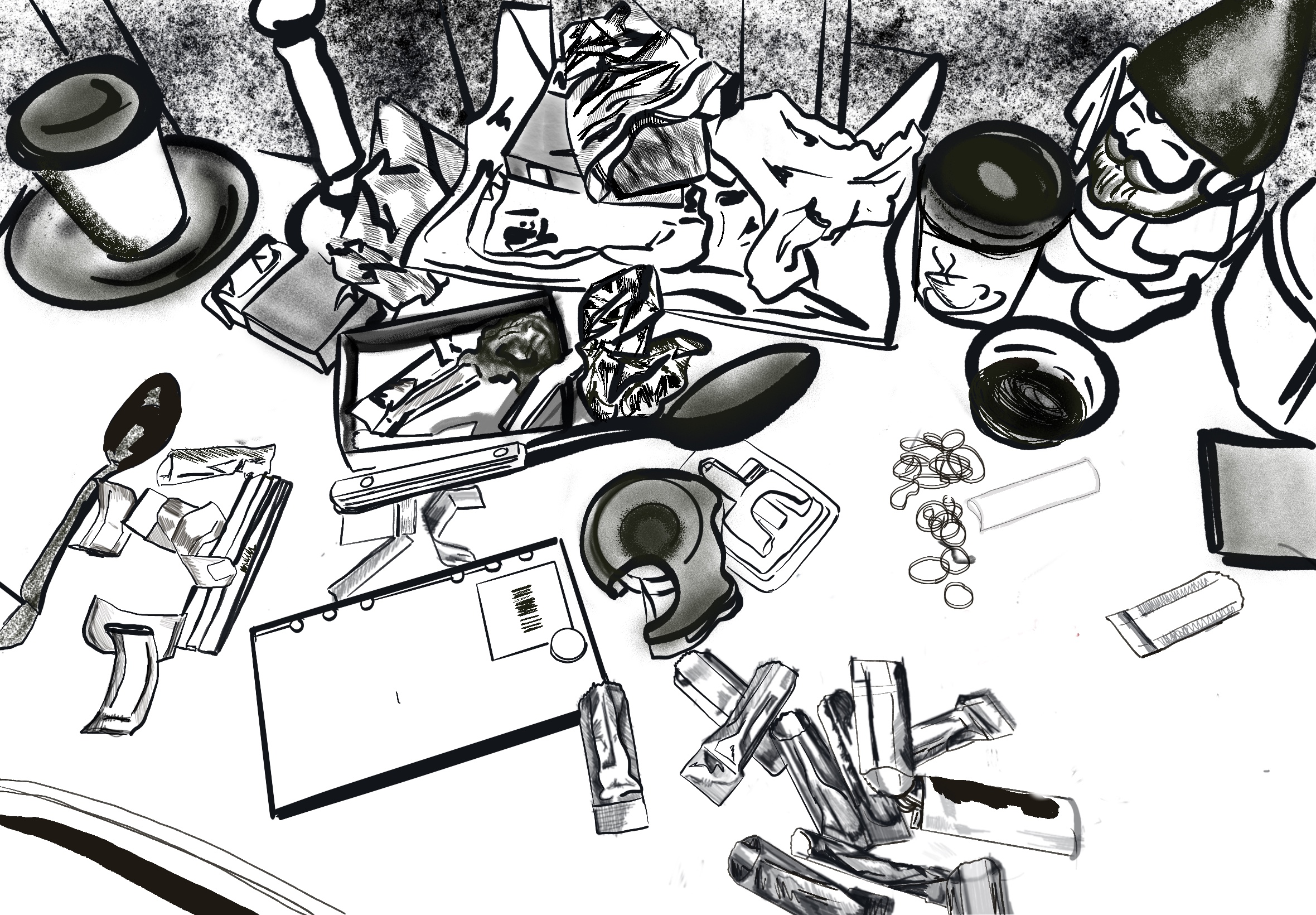
Addiction Archives is a body of work that spans 5 years of my descent into addiction and later recovery. This project aims to de-stigmatize and de-glorify substance use, not from the perspective of an outsider in a typical journalistic fashion, but rather from a first-person account of the isolating, all-consuming disease of addiction through an object relational lens. Stemming from my admiration of the visceral and controversial works of Dash Snow, Nan Goldin, Graham Macindoe, and Larry Clark, I finally gained the confidence to display and revisit this visual autobiography of some of the darkest moments of my life. Having an “addiction/recovery” collection of documents (legal court documents, arrest records, counselor reports, drug tests etc.) in addition to a personal archive I collected while in active addiction, (photos I took, art I attempted to make, journal entries I wrote) is central to my project. When I (accidentally) revisited some of these documents, I found myself faced with a mix of emotions similar to witnessing a car crash; I could not throw the files away, but they were also too painful to see. I kept these documents for a reason unknown to myself at the time, but considered them to exist in transitional space, bridging my past self as an addict to my current self as an art therapist.
Art (is) has been my higher power, the blood in my veins, the reason I force myself to get out of bed on 2 hours of sleep and ultimately the reason I entered recovery from substances and continue to thrive without them. I flipped through old worksheets from my last rehab stint and under every question about my motivation for sobriety, I wrote “To make art again” and “To get my Masters in Art Therapy.” Despite all the different therapeutic modalities, settings, legal consequences and mandatory treatment, art and specifically making art, continues to be the most pivotal and effective method in preventing me from returning to a lifestyle of numbness.
Addicts, active or in recovery, can view this project as a redemptive, growing movement of work that offers examples of success and hope to those who still suffer. Those who never thought they could obtain their GED, let alone a master’s degree will hopefully see the benefits of dedicating themselves to recovery. Those who have loved ones that are currently in active addiction or in recovery will be reminded of the human behind the disease. They might re-visit the pain of loving an addict due to the chillingly familiar emblems that appear in some of the work.
For the public who (to my surprise) state they have no connection to addiction on a personal or professional level, I anticipate this body of work will humanize those who are typically viewed in a hopeless, self-destructive, dangerous fashion. I hope they leave this exhibition reflecting on the people in their life who they always claimed, “would never be an addict”, until they are. I hope to honor my dead loved ones who lost their fight to addiction in this exhibition as well by exploring substance abuse through a different lens. The opportunity to display the horrors, the nitty gritty, the pain, emptiness and confusion alongside the lifelong benefits, gifts and ultimate second chance I was given when I made the decision to enter recovery, is unparalleled.