Nadya Baron is a queer, immigrant emerging art therapist and artist based in Chicagoland, IL. Originally from Lithuania, she spent years working as an artist and photographer across Eastern Europe. Her professional experience in art education and social work further shaped a practice attentive to complexity and care. These experiences later guided her toward the Master of Arts in Art Therapy and Counseling program at SAIC. Clinical internships at Glenkirk and Inside Family Counseling provided extensive experience with diverse populations, including children and adults with autism and complex trauma. Nadya’s therapeutic lens blends together psychoanalytic theory with queer and feminist perspectives, centering identity, agency, and embodied expression, guided by the belief that creative processes reveal what spoken language often cannot. Her lifelong commitment to photography grounds her exploration of emotion, narrative, and self-representation within both her creative and therapeutic work. Nadya aims to create therapeutic spaces where clients can explore, question, and rewrite the stories that shape them.
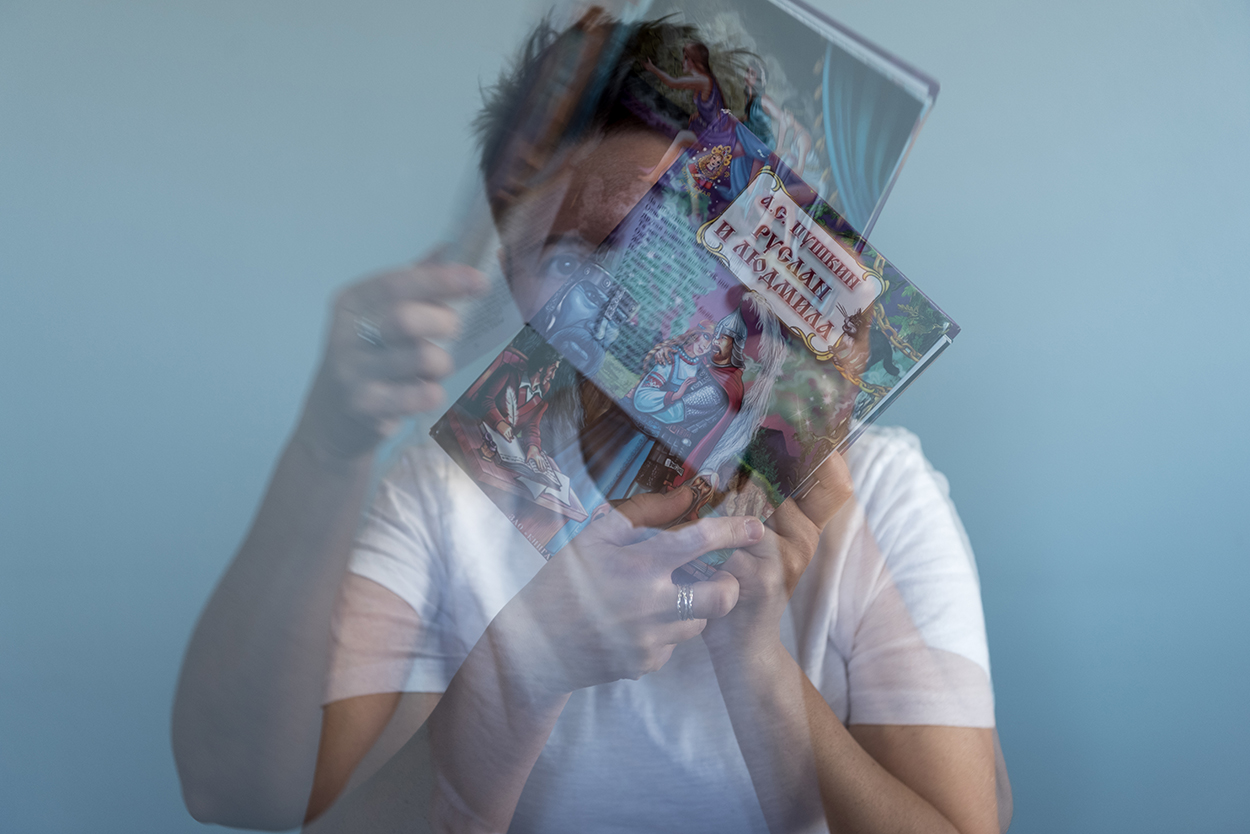
Once Upon a Queer Time 1, 2023, Archival inkjet print on rag metallic paper, 11x17
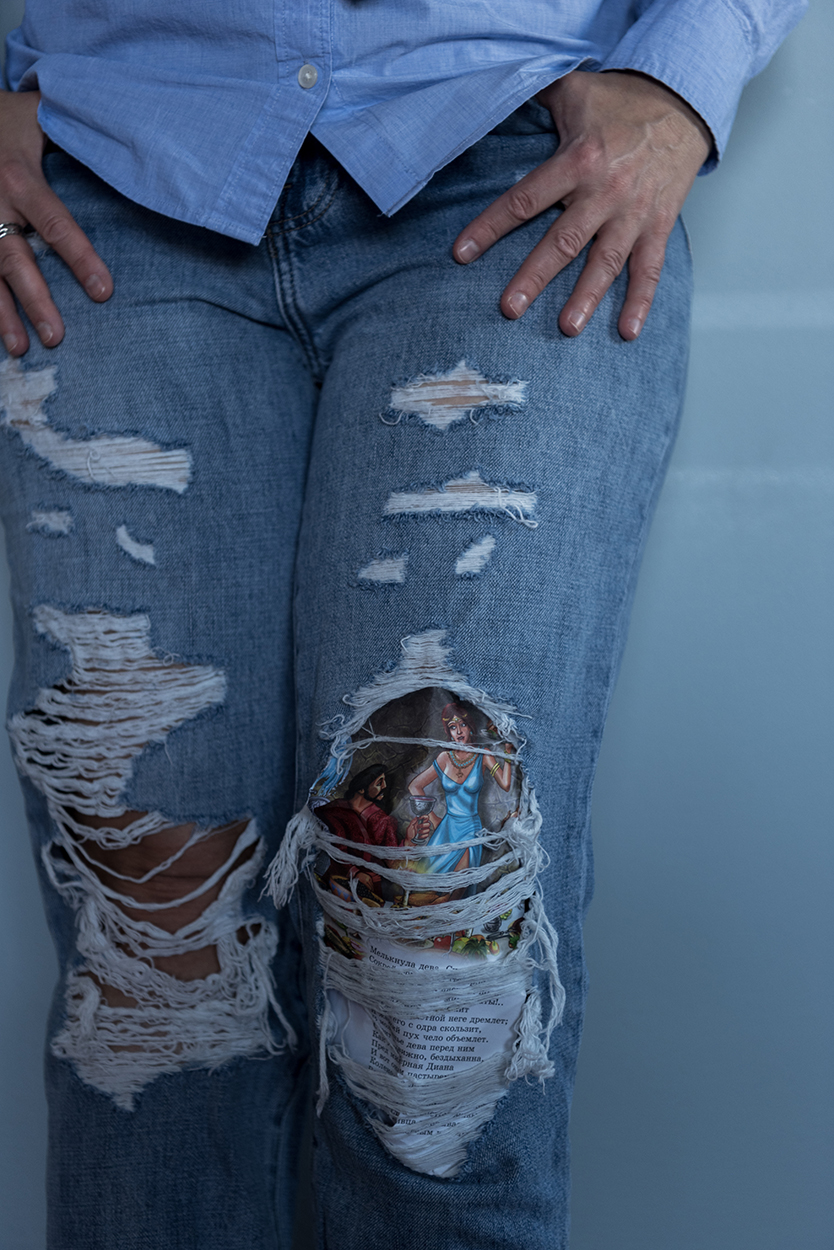
Once Upon a Queer Time 2, 2023, Archival inkjet print on rag metallic paper, 11x17
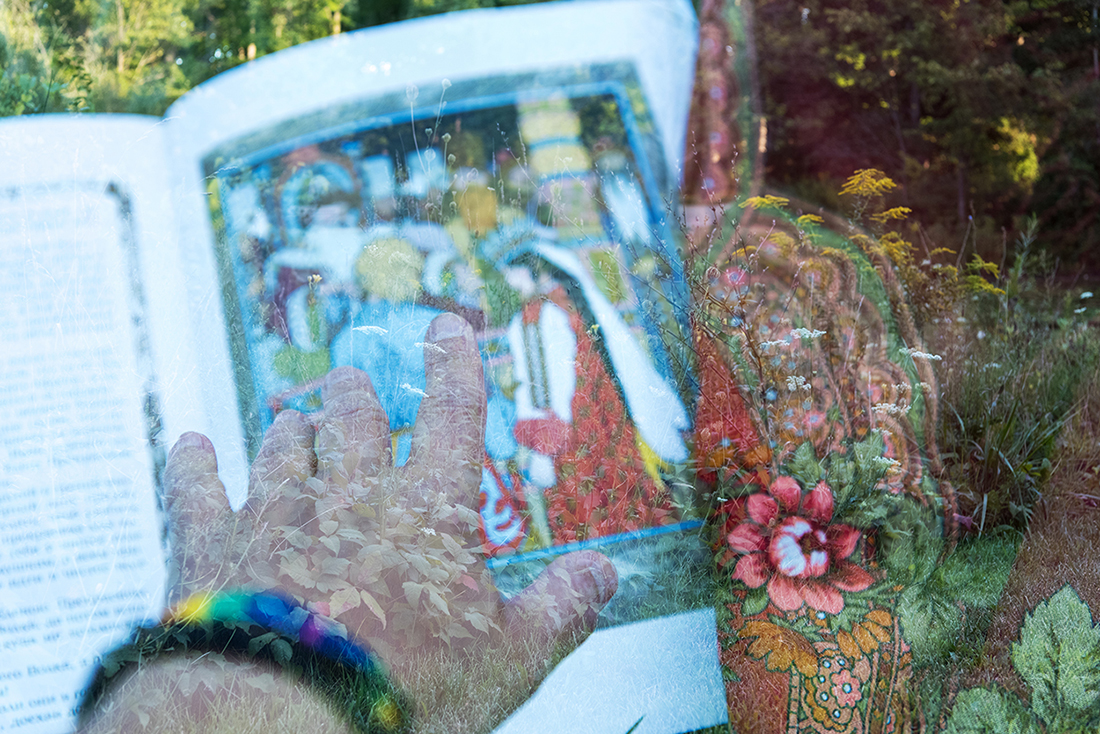
Once Upon a Queer Time 3, 2025, Archival inkjet print on rag metallic paper, 16x24
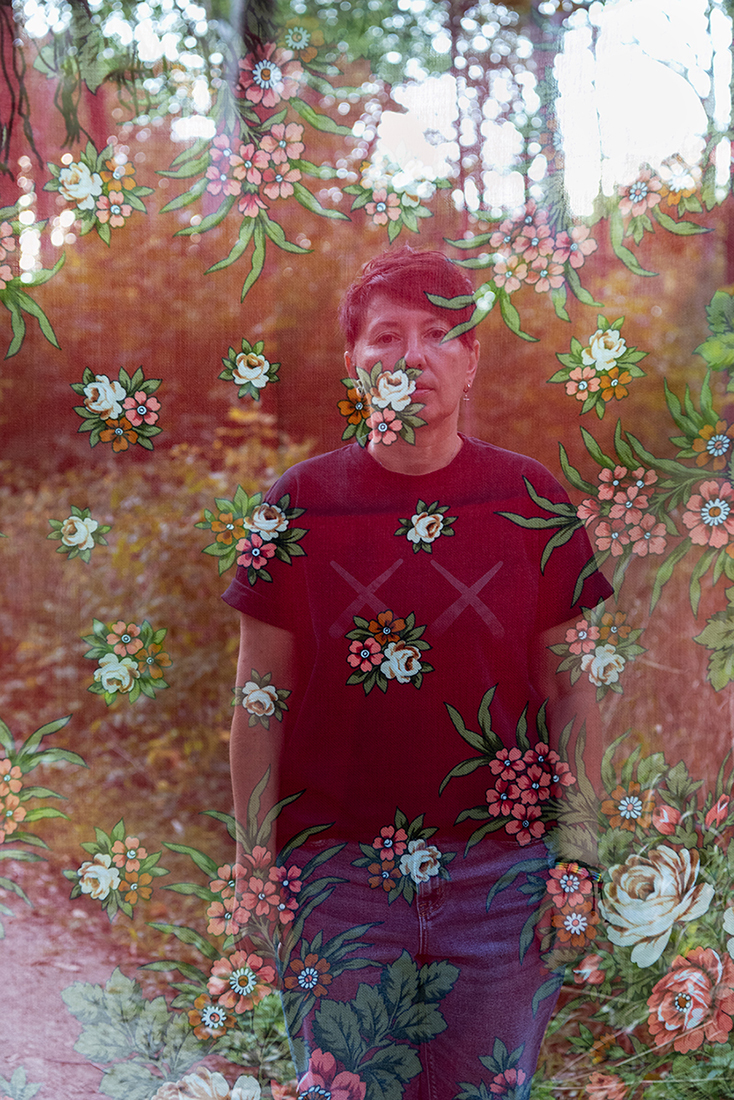
Once Upon a Queer Time 4, 2025, Archival inkjet print on rag metallic paper, 11x17
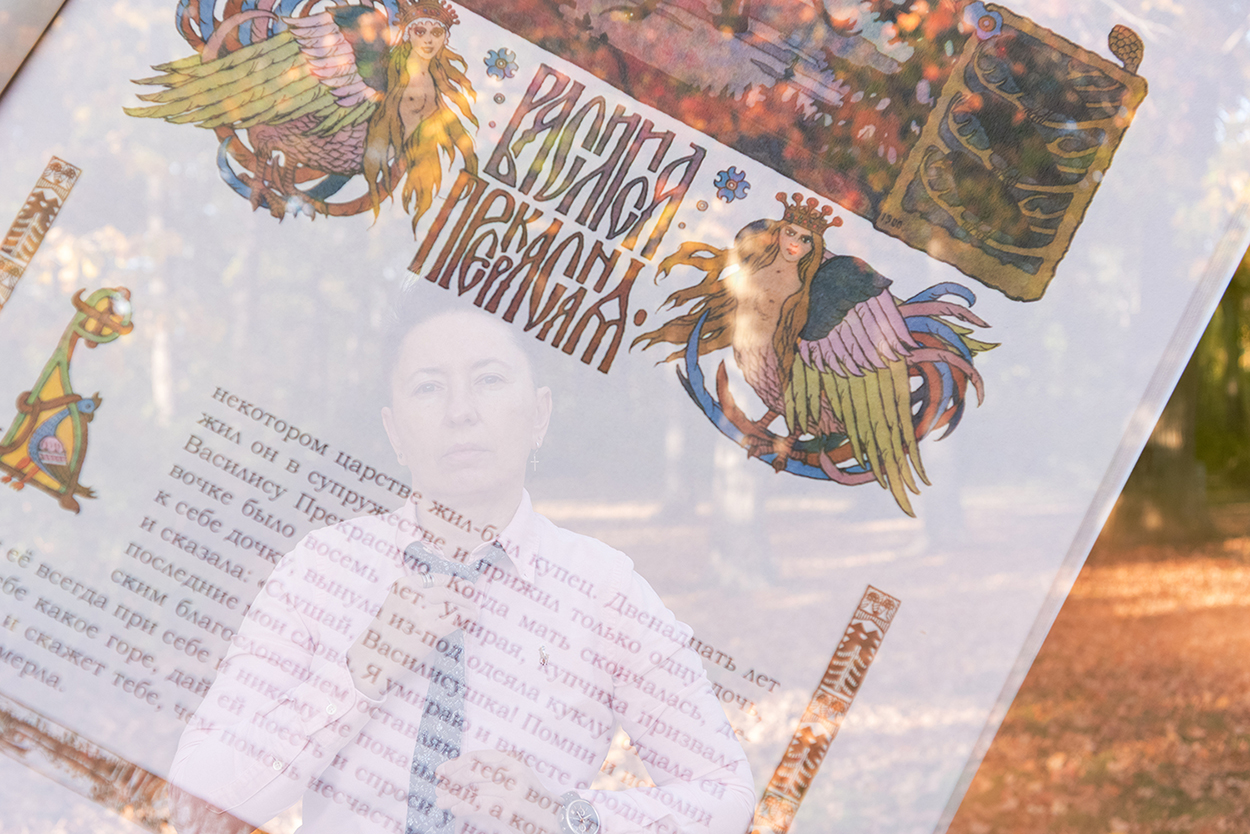
Once Upon a Queer Time 5, 2025, Archival inkjet print on rag metallic paper, 16x24
My creative practice begins at the intersection of memory and embodiment, where personal history becomes material for inquiry. Shaped by cultural traditions before I could speak, I now find myself learning to rewrite them. The identities I carry do not
exist in separate spaces; they overlap, collide, restrict, and sustain one another, forming a self that is fluid, layered, and always in motion.
Shaped by the complexity of these intersecting identities, my artistic practice finds its home in photography, the place where memory, embodiment, and imagination meet. Working with a camera allows me to approach my history with both tenderness and clarity, transforming internal tensions into visual language. Self-portraiture, in particular, becomes a site of inquiry where I can sit with ambiguity, vulnerability, and agency. It offers a way to externalize experiences that have been silenced by cultural expectations and to explore questions that resist linear explanations. Although I work across different media, photography is the tool that most clearly reflects the fragility and resilience of identity, allowing for both precision and expansiveness.
As a queer, immigrant emerging art therapist, I hold a deep interest in how images can express truths that spoken language cannot safely or fully reveal. I see art making as a collaborative negotiation with material, memory, and body, and as a means of stepping into visibility with intention. Photographic practice becomes a pathway through which clients and communities may explore identity, reclaim agency, and witness themselves without judgment.
My current project, Once Upon a Queer Time, grows from these commitments. This body of work examines how Eastern European cultural norms around gender, silence, and conformity shaped my early understanding of selfhood. Through layered photographic processes and self-portraiture, I place my body in conversation with personal objects, landscapes, and visual remnants from my upbringing. In doing so, I explore how queerness was erased or punished within these cultural contexts and how those pressures shaped my voice, my body, and my visibility. The resulting images are not straightforward records but acts of reframing, transforming inherited narratives into possibilities for autonomy and self-definition. The project creates space to imagine new forms of belonging for queer people whose identities have been marginalized within diasporic communities.
At the heart of my practice is a commitment to building visibility where silence once lived. My work aims to create an alternative archive grounded in honesty, complexity, and survival. Whether through art or therapeutic practice, I strive to create spaces where individuals can explore identity on their own terms. Photography becomes a portal into stories that refuse erasure and into futures shaped by resilience, agency, and self-authored truth.